Affiliate disclosure: RV Gear Scout may earn a commission from qualifying purchases made through links in this article, at no extra cost to you.
Renogy’s 12V 40A DC-to-DC on-board charger is designed to charge an RV or van house battery from a vehicle alternator while managing current and battery-specific charging behavior. This assessment is based on manufacturer information and practical RV ownership considerations; RV Gear Scout did not perform hands-on testing.
Quick verdict
A DC-to-DC charger can be a meaningful upgrade over a simple isolator when an RV has lithium batteries, long cable runs, or a modern alternator whose voltage does not support reliable house-battery charging. The 40-amp Renogy sits in a practical middle range: quicker than a small maintainer without imposing the demand of the largest chargers.
The charger is only one part of the circuit. Cable gauge, run length, fuses or breakers, grounding, ventilation, alternator capacity, and ignition or sensing wiring determine whether the installation is safe and useful. Pair the decision with the monitoring considerations in our Victron SmartShunt review.
How it fits an RV setup
The unit belongs between the starting-battery or alternator side and the house bank. Its job is to limit and shape charging rather than connect the banks directly. Select the correct charging profile for the battery manufacturer’s specifications, including voltage limits and low-temperature restrictions for lithium iron phosphate batteries.
Forty amps on the output side can translate to a substantial input load once conversion losses and voltage are considered. Verify that the alternator has enough continuous capacity after serving the vehicle itself. Long runs need appropriately oversized copper conductors and overcurrent protection located near each energy source.
What stands out
- Controlled alternator charging can improve consistency compared with a basic relay or isolator.
- Forty-amp output balances useful charging speed with more manageable vehicle-side demand.
- Selectable battery profiles support common house-battery chemistries when configured correctly.
- Permanent installation makes charging automatic during travel once the system is commissioned.
The practical attraction is making drive time productive. For travelers who move frequently, alternator charging can complement solar and shore power, especially during cloudy weather or when campsites limit generator use.
Limitations and checks before buying
This is not a beginner plug-and-play accessory. Incorrect conductor size, fuse placement, grounding, airflow, or control wiring can create heat, voltage drop, charging faults, or fire risk. Use the current Renogy manual and applicable electrical standards, and hire a qualified installer when system design is outside your experience.
Lithium batteries may stop accepting charge when cold unless they have appropriate protection or heating. Smart alternators can require specific triggering. Also confirm whether the vehicle manufacturer permits the added load; warranty and upfitter guidance may restrict how accessories connect.
Who should buy it?
It is best for vans, truck campers, motorhomes, and tow vehicles with a 12-volt house bank that need predictable charging while driving. Stationary campers with ample solar or shore power may get less value, while very large banks may justify a higher-output design after an alternator-load study.
Bottom line: A capable building block for travel charging, but the surrounding wiring and alternator analysis matter more than the charger’s headline rating.
Check the Renogy 40A DC-to-DC charger availability on Amazon
Related RV Gear Scout guides
Continue planning with Victron SmartShunt review, Battle Born 100Ah battery guide, Renogy Rover solar-controller review, and browse the Batteries & Chargers archive for more compatible options.
Research note: Product details were checked against Renogy’s 40A DC-to-DC charger information. Confirm current specifications, included parts, warranty terms, and vehicle or RV compatibility before purchase.
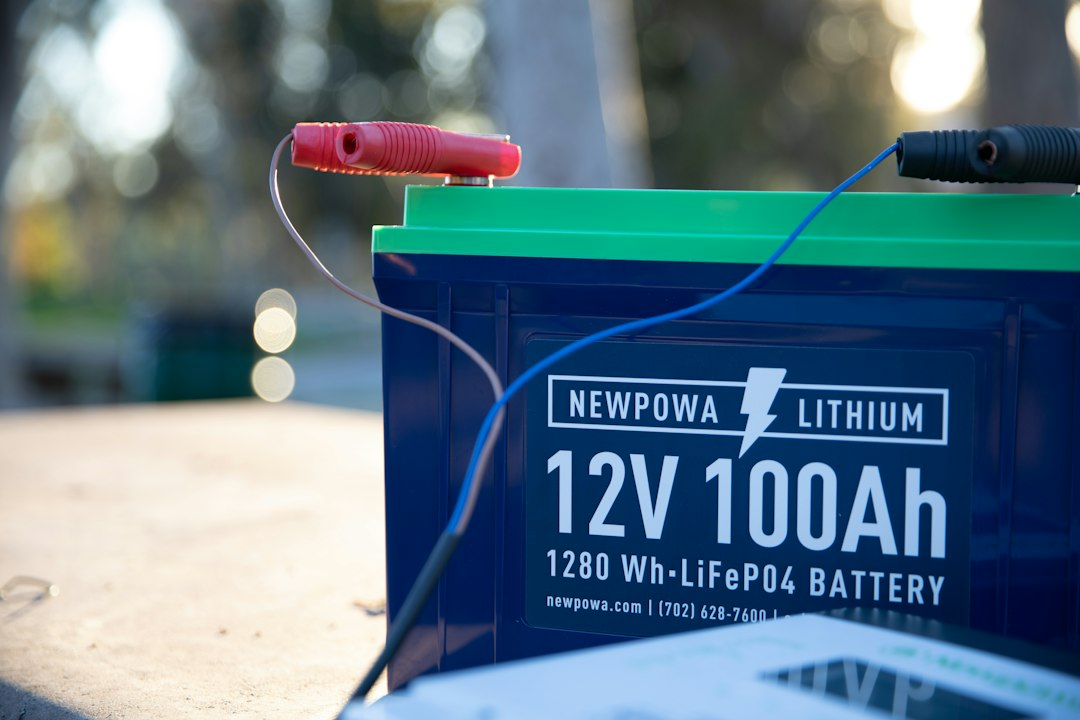
Image note: The editorial photo illustrates the use case and does not depict the exact product. Photo by Newpowa on Unsplash.