Affiliate disclosure: RV Gear Scout may earn a commission from qualifying purchases made through links in this article, at no extra cost to you.
The RTIC 45 QT Ultra-Tough Cooler is a rotomolded hard cooler sized for multi-day campsite food and drinks while remaining more manageable than very large expedition chests. This assessment is based on manufacturer information and practical RV ownership considerations; RV Gear Scout did not perform hands-on testing.
Quick verdict
The 45-quart class is a useful middle ground for many RV couples and small families. It can supplement a small refrigerator, hold drinks outside to reduce door openings, or serve as backup cold storage during travel. Thick construction and robust latches favor durability and ice retention over light carrying weight.
A hard cooler does not provide the set-and-forget temperature control of a compressor fridge. Ice consumes internal volume, meltwater needs management, and safe food temperature still requires a thermometer. Compare the tradeoff with our ICECO VL45 fridge review.
How it fits an RV setup
Measure the cooler at its widest exterior points, including handles, hinges, and lid swing. A model called 45 quart may not fit a 45-quart-shaped compartment, and the lid needs room to open. In a tow vehicle or RV, secure it against sliding so a heavy loaded chest cannot become a hazard in a sudden stop.
Pre-chill the cooler and its contents when possible. Use cold or frozen food, block ice for longevity, cubed ice for fast cooling, and an organized loading plan that limits open-lid time. Keep raw food contained and separate, drain only when appropriate, and monitor actual temperature rather than judging by remaining ice.
What stands out
- Rotomolded construction prioritizes a rigid shell and durable corners.
- Mid-size capacity can serve a weekend group without the footprint of a huge chest.
- Gasketed lid and positive latches support controlled cold storage when kept closed.
- Tie-down and handling details make it more practical for vehicle-based camping than a household cooler.
Its role is simple and dependable: passive cold storage that needs no wiring, battery calculation, or compressor ventilation. That independence is valuable as overflow capacity or emergency backup even in an RV with a refrigerator.
Limitations and checks before buying
The empty cooler is only the beginning of the weight calculation. Food, drinks, and ice can make a 45-quart chest a two-person lift. Plan where it will live before loading, avoid lifting with a twisted back, and do not place it where the lid or handles block an exit.
Ice-retention claims vary with weather, shade, starting temperature, ice ratio, and how often the lid opens. A cooler is not automatically bear-resistant or approved for unattended wildlife storage; follow campground rules and use certified storage methods where required.
Who should buy it?
It is a good match for RVers who want rugged overflow cooling, tailgating capacity, or a no-power backup. Solo travelers with tight storage may prefer a smaller cooler, while long-term boondockers who can support the electrical load may gain convenience from a compressor fridge.
Bottom line: A durable middle-size chest whose real value comes from careful sizing, safe loading, and realistic expectations about ice.
Check the RTIC 45 QT Ultra-Tough Cooler availability on Amazon
Related RV Gear Scout guides
Continue planning with YETI Roadie 24 review, ICECO VL45 fridge review, ARB Zero 47-quart review, and browse the Coolers archive for more compatible options.
Research note: Product details were checked against RTIC’s Ultra-Tough Cooler information. Confirm current specifications, included parts, warranty terms, and vehicle or RV compatibility before purchase.
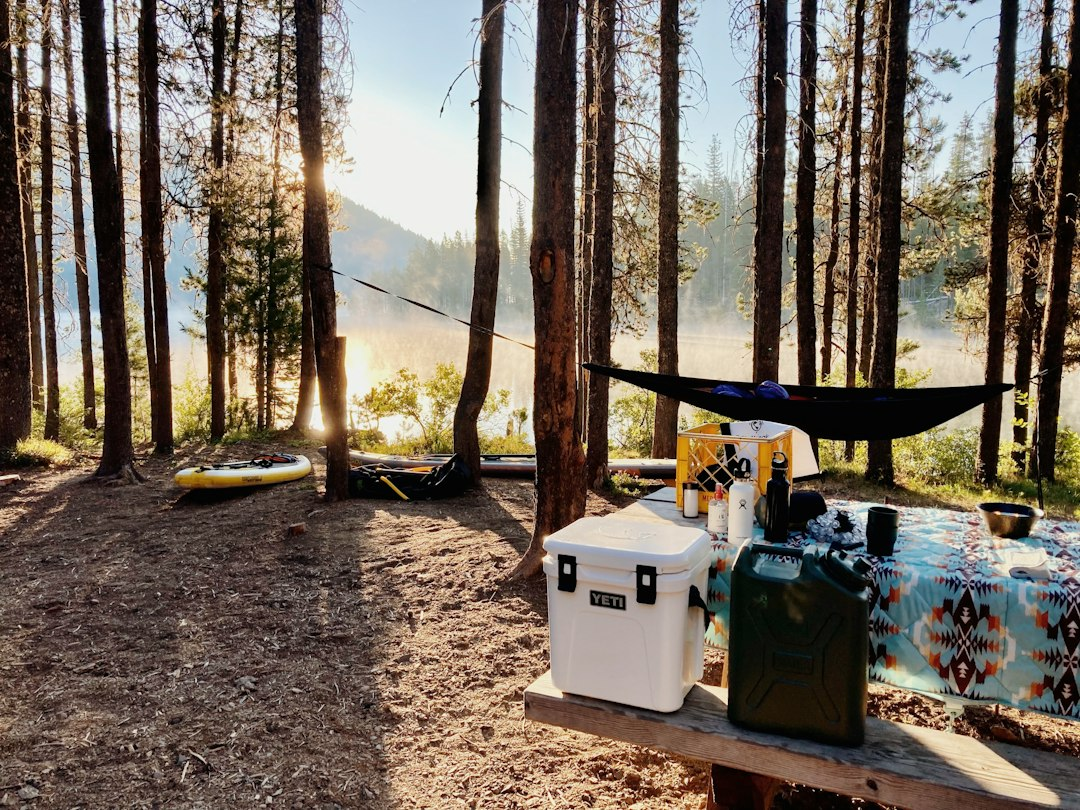
Image note: The editorial photo illustrates the use case and does not depict the exact product. Photo by makenzie cooper on Unsplash.