Affiliate disclosure: RVGearScout may earn a commission from qualifying purchases made through links in this article, at no additional cost to you.
A portable 30-amp power monitor for RV owners who want a campground-side check before questionable electricity reaches the coach.
This review is based on current manufacturer information and practical RV considerations; RVGearScout has not performed hands-on testing on this unit.
Quick verdict
The Southwire Surge Guard 34931 adds a protective checkpoint between a 30-amp pedestal and an RV. Its portable format avoids permanent installation, while the onboard display helps the user assess incoming power and operating status at the hookup point.
That makes it convenient for travel trailers and motorhomes without a hardwired energy-management system, but it remains exposed outside. Weather positioning, plug condition, theft deterrence, and the ability to read the display all matter in real campground use.
How it fits an RV setup
This model belongs on a 120-volt, 30-amp RV connection with the matching TT-30 plug configuration. It should not be treated as a 50-amp device, and adapters do not increase the campground circuit’s capacity. Confirm your RV service rating and inspect both pedestal receptacle and shore cord before every connection.
The usual sequence is to switch the pedestal breaker off, connect the protector, energize it for its diagnostic cycle, review the indication, and only then connect the RV if the result is acceptable. Follow Southwire’s current instructions because indicator behavior and delay timing are product-specific.
What stands out
- Portable design moves easily between campsites and RVs.
- A display provides more context than a basic surge-only device.
- Pedestal-side placement checks power before it enters the shore cord.
- The 30-amp format matches many travel trailers and smaller motorhomes.
The practical value is broader than absorbing a single spike. A monitoring device can help identify wiring or voltage conditions that should make an owner disconnect and speak with campground staff, rather than experimenting with sensitive RV appliances.
Limitations and checks
A portable unit can be dropped, submerged, damaged by a loose pedestal receptacle, or stolen. Keep plug faces dry, support heavy cords so they do not pull on the outlet, use only manufacturer-approved weather practices, and consider a security cable where appropriate.
It cannot repair a bad pedestal, create more amperage, or make damaged RV wiring safe. If the unit reports a fault, disconnect and have the supply evaluated. Repeated tripping or heat at a connector deserves professional inspection, not an adapter workaround.
Who should buy it?
Choose it for a 30-amp RV when you want visible, portable protection without modifying the coach. A hardwired EMS may suit owners who prefer theft resistance and an interior display, while a 50-amp RV needs a correctly rated model.
Bottom line
The 34931 is a sensible gatekeeper for 30-amp campground power. Its benefits depend on correct hookup procedure and on treating warnings as a reason to stop, not an inconvenience to bypass.
Check current Southwire Surge Guard 34931 availability on Amazon.
Related RVGearScout guides
- Progressive Industries EMS-PT50X review
- Hughes Power Watchdog PWD30-EPO review
- 30-amp vs. 50-amp surge protector guide
- Browse this category
Research note: Product details were checked against Southwire Surge Guard 34931 product information. Confirm the current manual, specifications, compatibility, and warranty before purchase or installation.
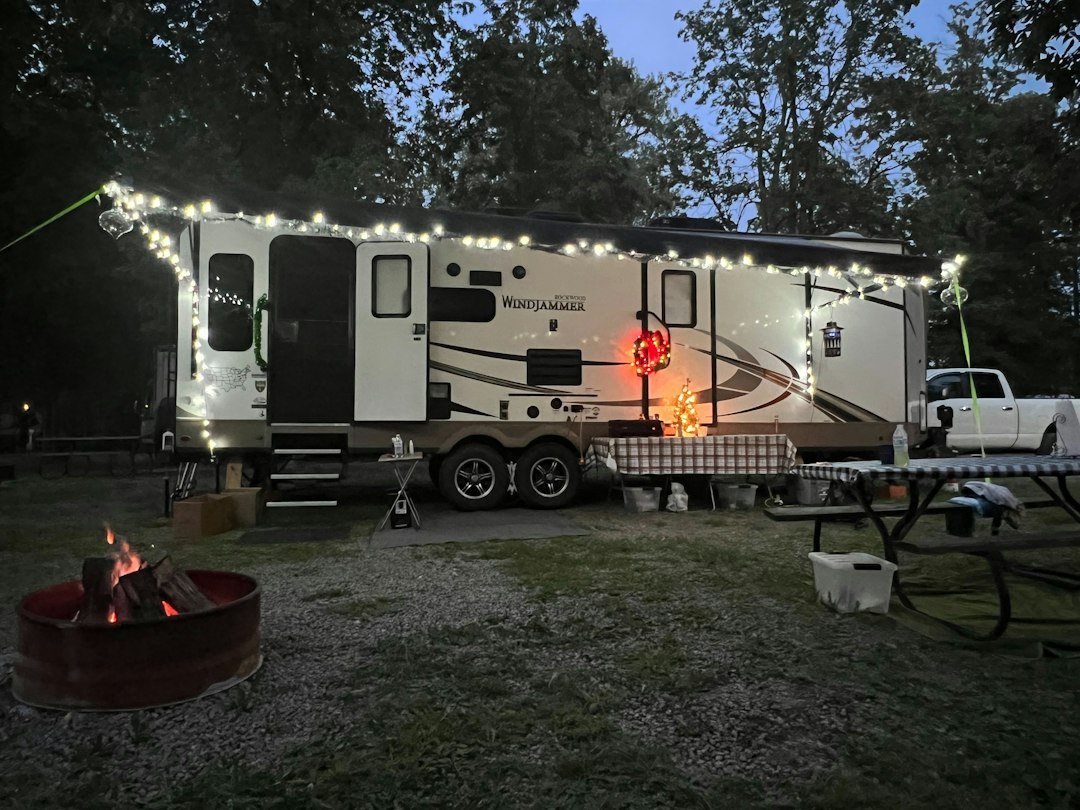
Image note: Editorial use-case photo by Julia A. Keirns on Unsplash. It illustrates the use context and may not depict the exact product reviewed.