Affiliate disclosure: RVGearScout may earn a commission from qualifying purchases made through links in this article, at no additional cost to you.
A multi-canister filtration system for RV owners who want more treatment stages and serviceable cartridges than a basic inline filter provides.
This review is based on current manufacturer information and practical RV considerations; RVGearScout has not performed hands-on testing on this unit.
Quick verdict
The Blu Technology R3 is aimed at campers who want a more deliberate fresh-water setup than a single disposable inline cartridge. Its multi-stage layout allows different media to address sediment, taste, odor, and other listed concerns while keeping the cartridges replaceable.
The system also brings the obligations of a larger filter assembly: it needs stable placement, correctly oriented hoses, leak checks, cartridge maintenance, and protection from freezing or rough transport. Filtration performance depends on the exact cartridges installed and on staying within their service limits.
How it fits an RV setup
Plan the complete flow path from potable-water spigot to pressure regulator, filter, hose, and RV inlet. Follow Blu Technology’s recommended order, because regulator position and canister pressure affect servicing and leak risk. Use only drinking-water-safe hoses and fittings.
Measure the storage bay or outdoor area and leave room to operate the housings. The assembly should stand securely, avoid direct vehicle traffic, and remain accessible if a fitting begins to drip. A short hose can reduce leverage on the campground spigot or coach inlet.
What stands out
- Multiple stages allow different contaminants or water qualities to be addressed.
- Replaceable cartridges make the housing a longer-term system.
- A larger sediment stage can protect downstream media from premature loading.
- The setup can be moved between compatible RVs and campsites.
Its advantage is control over the filtration stack. Owners can follow the manufacturer’s approved cartridge choices instead of accepting the single media blend built into a compact inline unit.
Limitations and checks
This is not automatically a purifier and should not be assumed to make microbiologically unsafe water drinkable. Use a designated potable source, follow boil or do-not-drink advisories, and verify the certified claims of the exact cartridges rather than relying on general marketing terms.
Filters can reduce flow as they load, and trapped water can freeze and crack housings. Depressurize before opening, sanitize as directed, replace O-rings or cartridges when required, and drain or winterize the assembly before freezing temperatures. Check for leaks every time it is reassembled.
Who should buy it?
Choose the R3 if water taste and sediment vary between campgrounds and you are willing to maintain a multi-stage system. An inline filter is easier for occasional travel, while users with specific health concerns should select treatment based on verified contaminant testing.
Bottom line
The R3 offers a more capable, serviceable approach to campsite water, but it is equipment—not magic. Correct cartridge selection, sanitation, pressure control, and freeze protection determine the experience.
Check current Blu Technology R3 RV water filter availability on Amazon.
Related RVGearScout guides
- ClearSource Ultra review
- Camco TastePURE inline filter guide
- Camco 40058 pressure regulator review
- Browse this category
Research note: Product details were checked against Blu Technology RV water-filtration information. Confirm the current manual, specifications, compatibility, and warranty before purchase or installation.
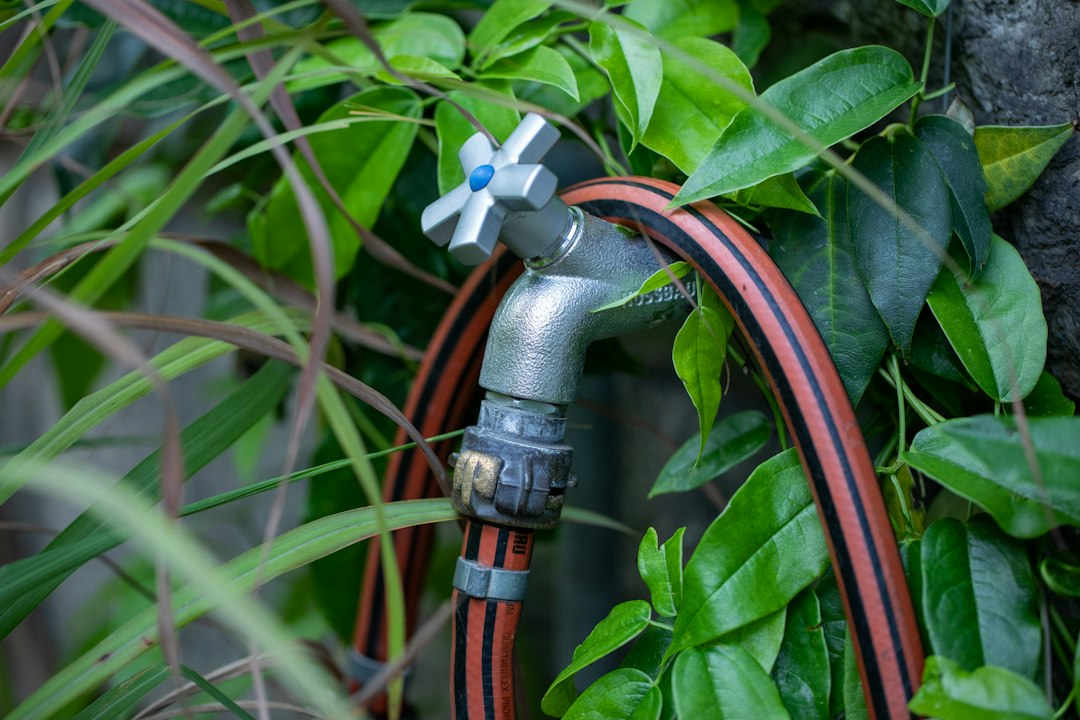
Image note: Editorial use-case photo by Rapha Wilde on Unsplash. It illustrates the use context and may not depict the exact product reviewed.