Affiliate disclosure: RVGearScout may earn a commission from qualifying purchases made through links in this article, at no additional cost to you.
A rechargeable multipurpose extinguisher that may complement an RV fire plan when its rating, size, bracket, and placement meet the vehicle’s requirements.
This review is based on current manufacturer information and practical RV considerations; RVGearScout has not performed hands-on testing on this unit.
Quick verdict
The Kidde Pro 210 is a dry-chemical ABC extinguisher intended for common combustible, flammable-liquid, and energized-electrical fire classes. That broad coverage is relevant to an RV, where cooking, fuel, appliances, batteries, wiring, and soft furnishings share a compact space.
A household extinguisher should not be assumed to satisfy every motorhome or travel-trailer requirement. The label rating, physical size, mounting bracket, temperature range, inspection needs, and applicable RV standards must be checked against the vehicle manufacturer’s guidance and local regulations.
How it fits an RV setup
Place any extinguisher where it can be reached while moving toward an exit, not where a fire would force someone deeper into the RV to retrieve it. A location near the main door is common, but the correct position depends on the floor plan. It must be visible, secured for travel, and protected from damage.
Confirm that the supplied or approved bracket holds the cylinder through vibration and sudden stops without obstructing the gauge or instructions. Measure cabinet, door, and walking clearances before mounting. Screws must attach to suitable structure without penetrating plumbing, wiring, or the exterior wall.
What stands out
- ABC dry chemical addresses several fire classes found around RVs.
- A visible pressure gauge supports routine readiness checks.
- Rechargeable construction allows qualified service where available.
- A substantial cylinder can provide more agent than the smallest compact units.
Its appeal is meaningful capacity in a familiar multipurpose format. For some RVs, it may serve as an upgrade or an additional unit—provided it does not displace a required extinguisher or introduce a poorly secured heavy object.
Limitations and checks
Read the label before an emergency and learn the PASS method from a qualified safety source. Only attempt a small, contained fire when there is a clear exit behind you. Evacuate immediately if there is smoke, rapid growth, fuel involvement, or any doubt, then call emergency services.
Inspect the gauge, pin, seal, hose or nozzle, cylinder, and bracket regularly and after hard travel. Follow Kidde’s service, recall, and replacement guidance for the exact model and serial information. Dry chemical can settle, corrode, leak, or become unusable even when never discharged.
Who should buy it?
The Pro 210 may suit RV owners seeking a larger rechargeable ABC unit after confirming rating and mount suitability. A marine- or RV-specific model may be required for certain vehicles, and more than one properly placed extinguisher can be preferable in a large rig.
Bottom line
A fire extinguisher is emergency equipment, not décor. The Pro 210 can be a useful part of an RV plan when code fit, secure mounting, inspection, escape routes, alarms, and propane safety are addressed together.
Check current Kidde Pro 210 fire extinguisher availability on Amazon.
Related RVGearScout guides
- RV Safe CO/propane alarm guide
- Safe-T-Alert 35-742 guide
- GasStop propane shutoff guide
- Browse this category
Research note: Product details were checked against Kidde Pro 210 product and safety information. Confirm the current manual, specifications, compatibility, and warranty before purchase or installation.
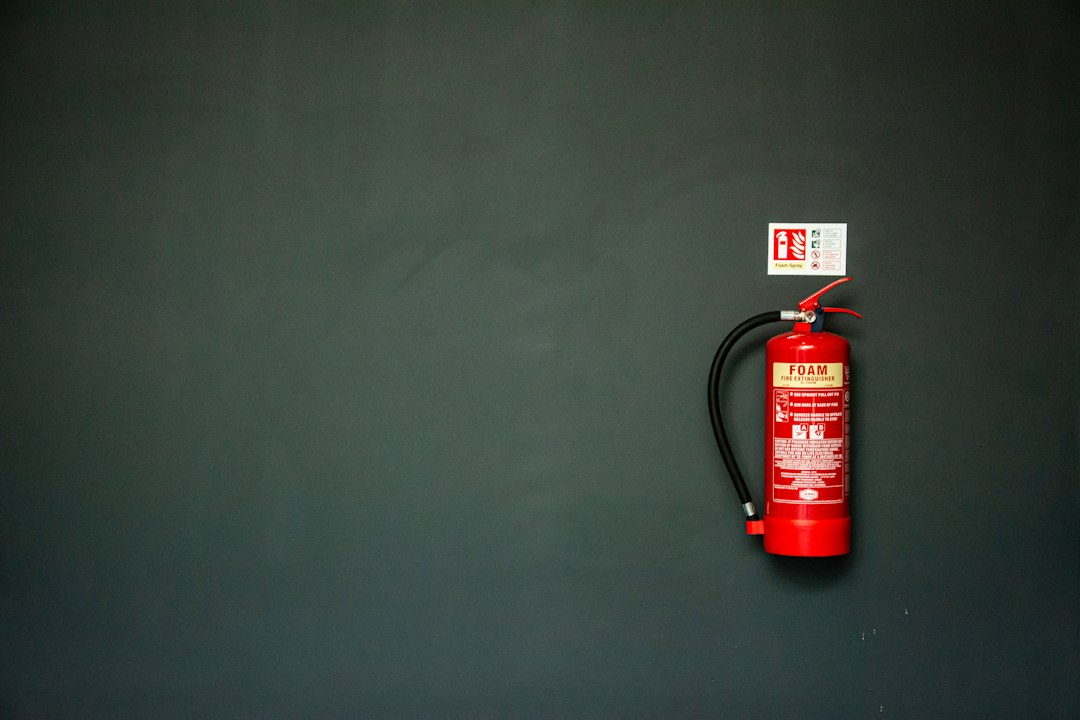
Image note: Editorial use-case photo by Tak Kei Wong on Unsplash. It illustrates the use context and may not depict the exact product reviewed.