Affiliate disclosure: RVGearScout may earn a commission from qualifying purchases made through links on this page, at no extra cost to you.
The First Alert SMCO100 combines smoke and carbon-monoxide detection in one battery-operated alarm. That can reduce device clutter in a compact RV, but household alarm listings, RV manufacturer requirements, placement rules, and environmental limits must all be checked before it replaces original equipment.
Testing note: RVGearScout has not performed hands-on testing of this product. This review is based on current manufacturer information and RV-specific buying considerations.
Quick verdict
The SMCO100 is a practical supplemental alarm or replacement only where its current listing and installation instructions match the application. It does not detect propane, and it should not automatically replace an RV-specific combination CO/LP alarm mounted near the floor.
Check current First Alert SMCO100 pricing on Amazon
How it fits an RV setup
First Alert describes the SMCO100 as a battery-operated 2-in-1 smoke and CO alarm using its Precision Detection sensing technology. Battery power is useful when an RV lacks compatible hardwiring, but it also places battery testing and replacement entirely on the owner.
Placement is safety-critical. Smoke alarms and CO alarms can have different recommended locations, while propane alarms are typically positioned low because propane is heavier than air. Follow the RV manual, alarm instructions, and applicable fire code rather than choosing a location merely because it is easy to reach.
What stands out
- Two hazards in one housing: It monitors smoke and carbon monoxide without requiring two ceiling-mounted devices.
- Battery operation: Installation does not depend on an RV’s 12-volt alarm circuit.
- Current sensing platform: First Alert positions the model around updated detection standards.
- Recognizable alarm maker: Official support and replacement guidance are easier to locate than for an unbranded detector.
Limitations and checks
This is not a propane detector. An RV with propane appliances still needs the specified LP-gas alarm, and removing an existing CO/LP unit can create a dangerous coverage gap. Never paint an alarm, block its openings, or place it where cooking steam, vents, or dead-air spaces conflict with the manual.
Test the alarm using its test control on the schedule First Alert specifies and replace batteries or the complete alarm at the stated intervals. Any alarm event requires evacuation and investigation; do not silence it and assume the condition has cleared. An alarm also cannot prevent a fire or CO source.
Who should buy it?
It may suit an RV owner adding separate smoke-and-CO coverage where the manufacturer and local rules allow it. Skip it as a direct replacement when the original unit is a 12-volt RV alarm, includes propane detection, is interconnected, or requires a different certification.
Bottom line
The First Alert SMCO100 can simplify smoke-and-CO coverage, but safe use depends on understanding what it does not detect. Preserve dedicated propane protection and follow the exact placement and replacement instructions.
Related RVGearScout guides
- RV Safe RVLP-2 replacement guide
- Safe-T-Alert 35-742 guide
- Kidde Pro 210 extinguisher review
- Browse fire and gas safety guides
Manufacturer research: product information was reviewed on First Alert’s official SMCO100 product page. Confirm the current manual, specifications, compatibility, and warranty before purchase or installation.
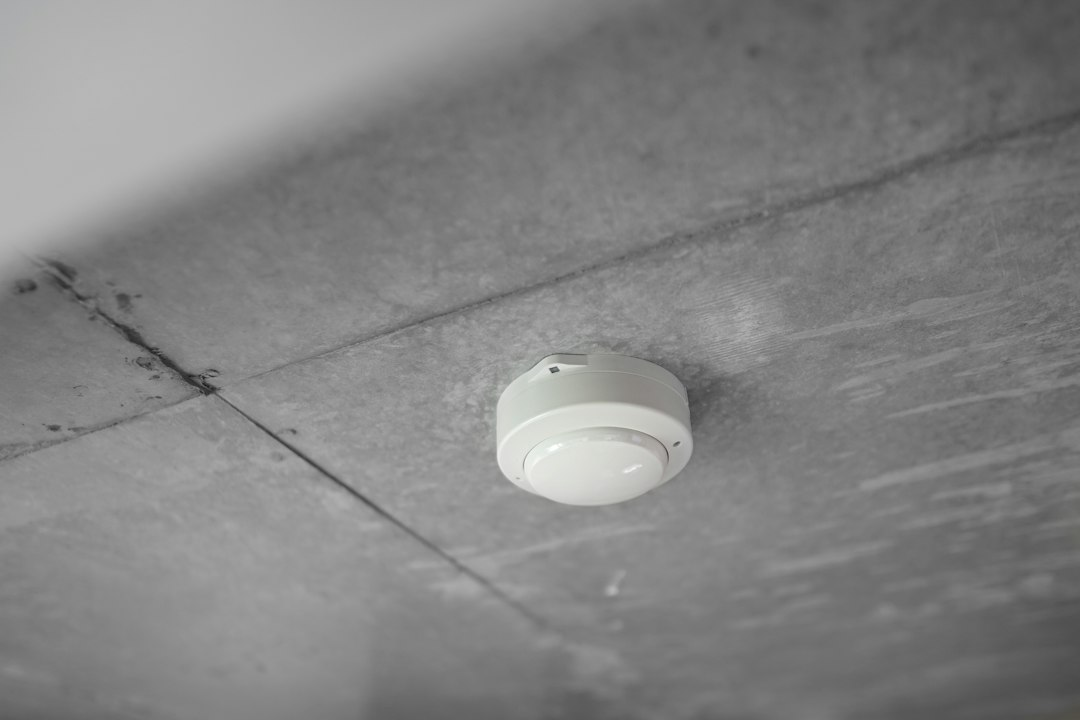
Photo by Yosuke Ota on Unsplash. The image illustrates the use context and may not show the exact product reviewed.