Affiliate disclosure: RVGearScout may earn a commission from qualifying purchases made through links on this page, at no extra cost to you.
303 Aerospace Protectant is a water-based surface treatment marketed for vinyl, rubber, plastics, fiberglass gelcoat, and other compatible materials. RV owners often use it for UV-exposed trim and seals, but correct surface identification and complete wipe-off matter more than applying a heavy coat.
Testing note: RVGearScout has not performed hands-on testing of this product. This review is based on current manufacturer information and RV-specific buying considerations.
Quick verdict
This is a versatile protectant for approved, clean surfaces when used sparingly and buffed completely dry. It is not a cleaner, sealant, wax, leak repair, or tire-tread treatment. Test an inconspicuous area and keep it away from any walking or gripping surface that could become slick.
Check current 303 Aerospace Protectant pricing on Amazon
How it fits an RV setup
Gold Eagle’s current directions call for application out of direct sunlight, followed by wiping until the surface is completely dry. The manufacturer specifically warns that the product does not air-dry. On an RV, that makes small-section application and clean microfiber towels more practical than spraying a large area at once.
Potential RV uses include compatible vinyl, rubber trim, plastic, awning material, and selected roof or gelcoat surfaces. Compatibility depends on the material maker’s care instructions. A product allowed on one EPDM component may still be unsuitable for a coated roof, acrylic window, fabric, unfinished floor, or decal.
What stands out
- Broad material list: The manufacturer documents use on several common outdoor and RV surfaces.
- UV-focused protection: It is positioned to help resist fading, cracking, and weathering from sunlight.
- Low-gloss finish: Properly buffed application is intended to avoid the greasy shine of some dressings.
- Concentrated use: A light coat can cover practical trim areas without carrying a bulky cleaning system.
Limitations and checks
Clean first with a product approved for the substrate, rinse away residue, and let the surface dry. Apply away from direct sun and overspray, then wipe fully dry. Do not use it on floors, steps, steering wheels, pedals, seats, tire tread, or any surface where reduced traction could cause a fall or loss of control.
Protection does not reverse cracked rubber, failed sealant, chalking paint, delamination, or UV-damaged fabric. Inspect the underlying part and replace it when structurally degraded. If treating an RV roof, follow the roof manufacturer and use fall protection; a wet treated roof can be especially hazardous.
Who should buy it?
It suits owners maintaining compatible exterior rubber, vinyl, and plastic who will prepare and buff each surface carefully. Skip it when the surface manufacturer prohibits dressings, the material is unidentified, or the part already needs repair or replacement.
Bottom line
303 Aerospace Protectant can be useful preventative care, but more product is not better. Surface confirmation, a thin application, and a completely dry final wipe are the keys.
Related RVGearScout guides
- Unique RV Digest-It Plus review
- Thetford Aqua-Kem guide
- Valterra Dominator hose review
- Browse cleaning and waste-treatment guides
Manufacturer research: product information was reviewed on Gold Eagle’s official 303 Aerospace Protectant page. Confirm the current manual, specifications, compatibility, and warranty before purchase or installation.
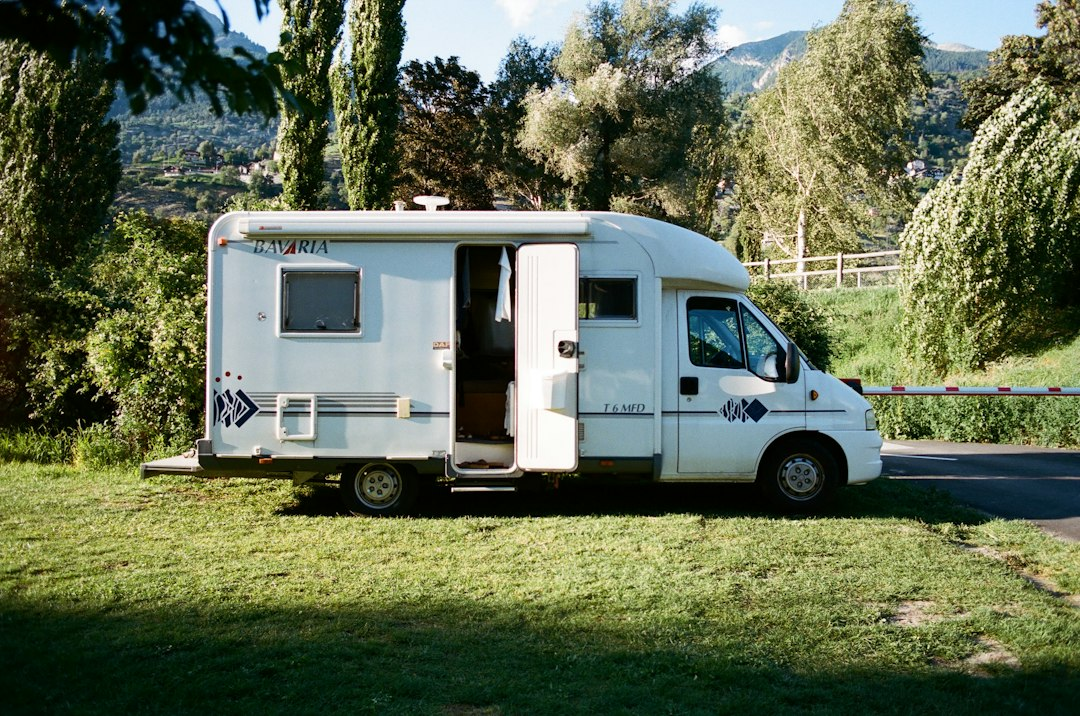
Photo by Lucas Favre on Unsplash. The image illustrates the use context and may not show the exact product reviewed.