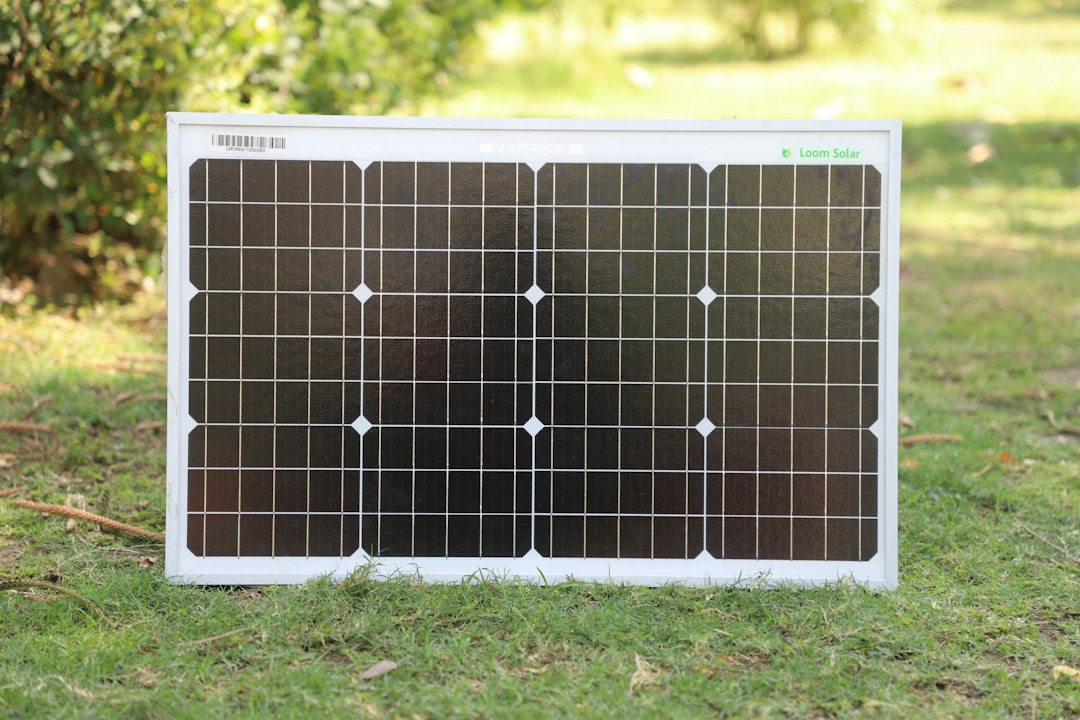
EcoFlow’s NextGen 220W Bifacial Portable Solar Panel is designed for campers who want substantial solar input without permanently mounting glass panels on an RV roof. Its folding format makes it movable around shade, while the rear-facing cells can collect reflected light when the ground and setup cooperate.
Affiliate disclosure: As an Amazon Associate I earn from qualifying purchases. If you buy through an eligible link below, RVGearScout may receive a commission at no extra cost to you.
Quick verdict
This is a capable portable panel for RVers who value packability, weather resistance, and compatibility with a suitable solar generator. The bifacial design can help in favorable conditions, but buyers should plan around the panel’s 15.4-pound weight, large unfolded footprint, connector requirements, and realistic campsite sun.
Best for
- Boondockers who need to move a panel as shade crosses the campsite
- EcoFlow power-station owners with a compatible solar-input range
- RV travelers who cannot or do not want to drill into the roof
What to check before buying
- Confirm the power station accepts the panel’s voltage and current
- Budget storage room for the folded panel and protect it in transit
- Use a stable angle and keep the rear side open if seeking bifacial gain
- Secure the panel before wind arrives and never leave it loose unattended
What the specifications mean
EcoFlow lists 220 watts from the front and up to 175 watts from the rear under specified test conditions. It uses N-type TOPCon cells, carries an IP68 rating, and is listed at about 15.4 pounds. The panel’s rated operating voltage is 18.4 volts, with a 21.5-volt open-circuit voltage. Those numbers must fit within the connected power station or charge controller’s solar-input window.
Bifacial output needs the right setup
Rear-side production is not automatic bonus power at every campsite. It depends on reflected light, clearance behind the panel, surface color, sun angle, and shading. A bright surface and elevated angle can help; dark ground and a panel laid flat will usually contribute less. Treat the front rating as the planning baseline and any rear-side harvest as condition-dependent.
Portable versus roof-mounted solar
A portable panel can follow the sun while the RV stays in shade, but it adds setup time, cable management, storage, and theft exposure. Roof solar is always available during travel and quick stops, though it cannot escape tree cover. For many campers, a portable panel works best as an expansion to a smaller roof array rather than the only charging source.
Check current availability
Use the link below to confirm the exact model, included parts, seller, and current specifications before ordering.
Related RV Gear Scout guides
- Renogy 200W solar panel guide
- Jackery Explorer 1000 v2 review
- Battle Born 100Ah battery guide
- More Power & Electrical guides
Sources and editorial note
This guide is based on published manufacturer specifications and compatibility information, not a claim of hands-on testing. Product versions and bundles can change, so verify the exact listing and current manual before purchase or installation.
Featured photo by Loom Solar on Unsplash.