Affiliate disclosure: RVGearScout may earn a commission from qualifying purchases made through links in this article, at no additional cost to you.
A space-conscious LiFePO4 option that combines a familiar Group 24 footprint with phone-based status monitoring.
This review is based on current manufacturer information and practical RV considerations; RVGearScout has not performed hands-on testing on this unit.
Quick verdict
LiTime’s 12-volt 100Ah Group 24 Bluetooth battery is attractive to RV owners trying to add usable lithium capacity without rebuilding an entire battery compartment. The case format targets a common footprint, and Bluetooth monitoring can make state information easier to check than relying on a voltage-only panel.
It is still not a drop-in replacement in the electrical sense. A battery can fit the tray yet remain incompatible with the converter, solar controller, alternator-charging path, cabling, disconnect, or cold-weather use plan. The complete charging system must be evaluated before installation.
How it fits an RV setup
Start with measured compartment length, width, height, terminal clearance, hold-down design, and cable reach. “Group 24” describes a case family, not a promise that every tray lid, strap, or terminal orientation will work. The battery must be restrained against travel loads and protected from conductive objects.
Next verify that every charging source offers an appropriate LiFePO4 profile and voltage. That includes the RV converter, solar charge controller, tow-vehicle or motorhome alternator circuit, and any portable charger. Older lead-acid converters may charge slowly or never reach the intended profile.
What stands out
- A 100Ah rating suits many modest travel-trailer power plans.
- Bluetooth monitoring can expose status without opening the compartment.
- LiFePO4 chemistry offers a different usable-capacity profile than lead acid.
- The Group 24 case targets installations where space is limited.
The monitoring feature is most useful when it informs decisions: spotting an unexpected load, confirming charging current, or checking remaining capacity before a travel day. It should supplement, not replace, proper fusing and a system-level battery monitor where precision matters.
Limitations and checks
Lithium batteries have temperature limits for charging and discharging. Confirm the protection features of the exact current SKU and never assume the battery includes heating or low-temperature behavior based on a similar listing. Cold-climate installations may need an insulated or heated location.
Place overcurrent protection close to the positive terminal, size cables for the maximum expected current and run length, and verify series or parallel rules before expanding a bank. Large inverters can exceed the practical limits of a single battery even when the amp-hour number seems adequate.
Who should buy it?
It fits owners who need a compact 100Ah lithium battery and value app-based checks. It is less compelling if the existing charging system cannot support lithium or if the compartment will routinely see temperatures outside the published range.
Bottom line
The LiTime Group 24 Bluetooth model can be a tidy RV upgrade, but the win comes from system compatibility—not the label on the case. Measure, verify charging sources, and fuse the installation correctly.
Check current LiTime 12V 100Ah Group 24 Bluetooth LiFePO4 battery availability on Amazon.
Related RVGearScout guides
- Battle Born 100Ah LiFePO4 guide
- Victron SmartShunt review
- NOCO Genius10 charger review
- Browse this category
Research note: Product details were checked against LiTime 12-volt LiFePO4 battery information. Confirm the current manual, specifications, compatibility, and warranty before purchase or installation.
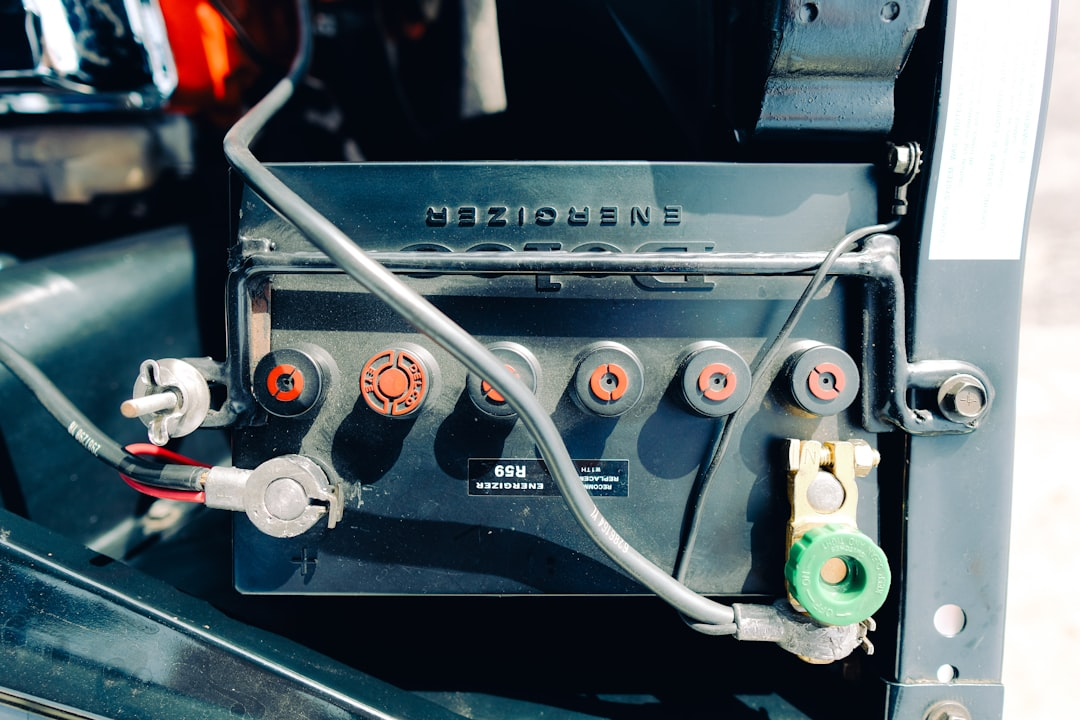
Image note: Editorial use-case photo by Wesley Tingey on Unsplash. It illustrates the use context and may not depict the exact product reviewed.