Affiliate disclosure: RV Gear Scout may earn a commission from qualifying purchases made through links in this article, at no extra cost to you.
The TireMinder i10 is an RV-focused tire-pressure monitoring system that can display pressure and temperature data for multiple tires on a dedicated monitor. This assessment is based on manufacturer information and practical RV ownership considerations; RV Gear Scout did not perform hands-on testing.
Quick verdict
The i10’s clearest benefit is glanceable information. Its dedicated display can show a larger group of monitored tires without making a phone the center of the system, which is useful for motorhomes and tow combinations. Pressure and temperature alerts may provide earlier warning of a developing problem than a driver could get from feel alone.
It does not eliminate pre-trip tire inspection. Valve stems, load capacity, inflation pressure, tire age, lug torque, and tread condition still need hands-on checks. Our TST 507 review explains a similar cap-sensor approach and is a useful comparison.
How it fits an RV setup
Choose a kit by the number of tires you actually want to monitor, including a towed vehicle or spare if the configuration supports it. Cap transmitters thread onto the valve stems, so metal valve stems or manufacturer-approved stems may be preferable depending on sensor mass and wheel design.
A signal booster or repeater is often part of a reliable long-RV installation. Placement, electrical power, distance, and coach construction influence reception. Program cold-pressure targets and alert thresholds from the tire maker’s load information and the RV manufacturer’s guidance, not from an arbitrary number copied from another rig.
What stands out
- Dedicated monitor shows multiple tires without relying on a phone app.
- Pressure and temperature alerts address two important tire-failure warning signs.
- Expandable transmitter options can support more complex RV and towed-vehicle layouts.
- Replaceable external sensors make seasonal service straightforward.
The i10 is aimed at owners who want a persistent dashboard overview rather than one tire at a time. That is particularly helpful on a multi-axle trailer or a motorhome towing a car, where the total sensor count can climb quickly.
Limitations and checks before buying
External sensors can complicate airing up and may stress unsuitable rubber valve stems. They also require batteries, correct anti-theft hardware if used, and occasional leak checks after installation. Balance convenience against service access and inspect every valve for cracking or movement.
Temperature measured at the valve is not identical to internal carcass temperature, and a TPMS cannot detect every structural defect. Establish a baseline when the tires are cold, investigate repeated alerts, and never raise load or speed limits just because the display looks normal.
Who should buy it?
The i10 best suits RVers who want a dedicated multi-tire display and are willing to maintain external sensors and a repeater. A smartphone-based system may appeal more to minimalists, while fleets with unusual sensor counts should confirm expandability first.
Bottom line: A practical real-time warning layer for larger RV combinations, provided it is installed on suitable valve stems and backed by disciplined tire care.
Check the TireMinder i10 availability on Amazon
Related RV Gear Scout guides
Continue planning with TST 507 TPMS review, Lippert Tire Linc review, VIAIR compressor review, and browse the Tire Safety & TPMS archive for more compatible options.
Research note: Product details were checked against TireMinder’s i10 product information. Confirm current specifications, included parts, warranty terms, and vehicle or RV compatibility before purchase.
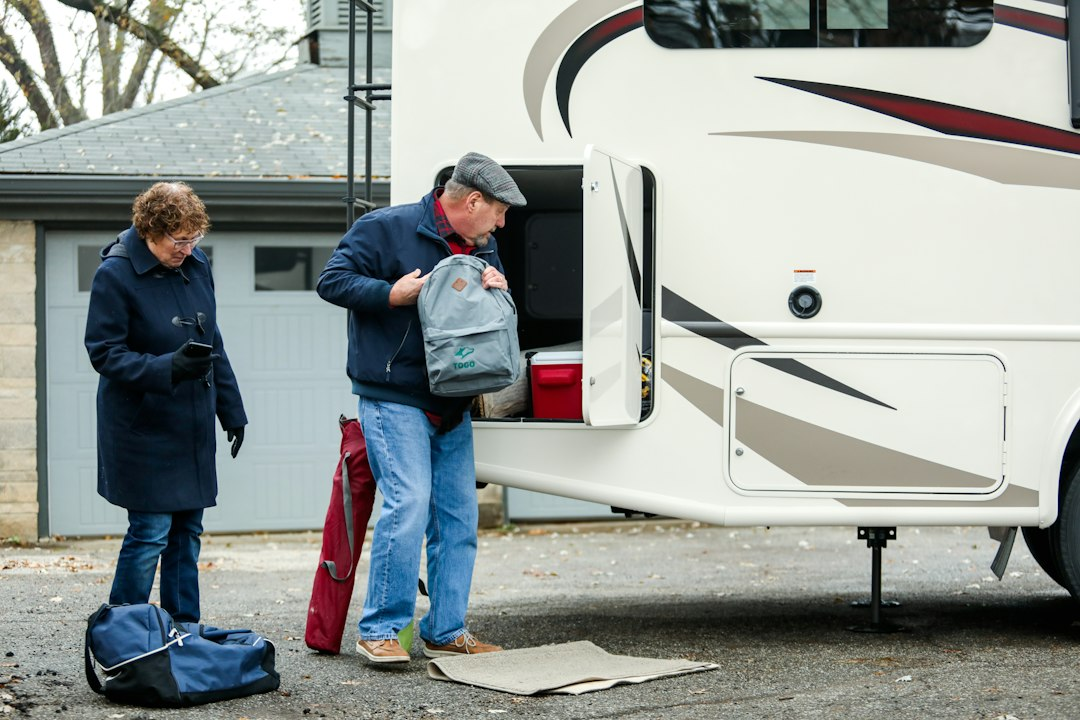
Image note: The editorial photo illustrates the use case and does not depict the exact product. Photo by Roadpass on Unsplash.