Affiliate disclosure: RVGearScout may earn a commission from qualifying purchases made through links in this article, at no additional cost to you.
A flexible thin-film panel for RV surfaces and portable layouts where low profile and shape adaptability matter more than rigid-panel simplicity.
This review is based on current manufacturer information and practical RV considerations; RVGearScout has not performed hands-on testing on this unit.
Quick verdict
The BougeRV 200W CIGS panel uses a flexible thin-film approach that can suit gently curved RV roofs, awnings, vehicle surfaces, or portable deployments that are awkward for a framed glass module. Its form factor is the central advantage: it is easier to conform and lighter to handle than many rigid alternatives.
Flexibility does not remove installation engineering. Roof material, permitted bend radius, attachment method, ventilation, cable routing, controller limits, and the consequences of future removal all deserve planning. A poorly supported panel can fail even when the electrical design is sound.
How it fits an RV setup
Map the available surface and shadow pattern before buying. Air conditioners, vents, antennas, roof racks, and neighboring panels can shade portions of the module. Also verify that the chosen area can support the panel without sharp ridges, fastener heads, or repeated flexing as the RV moves.
Electrically, compare the panel’s current open-circuit voltage and operating current with the solar controller’s input limits. Those values change when panels are placed in series or parallel. Cable size, connector quality, a roof-entry gland, disconnect strategy, and appropriate overcurrent protection are part of the system.
What stands out
- CIGS construction enables a low-profile, flexible module.
- The 200-watt class can support meaningful daytime energy harvesting.
- Flexible geometry may suit surfaces that reject rigid frames.
- The panel can also be considered for removable or portable layouts.
This product makes the most sense when a rigid aluminum-frame panel creates a genuine packaging problem. On a broad, flat RV roof with room for brackets and airflow, conventional rigid panels remain easier to replace, inspect, and ventilate.
Limitations and checks
Never bend the panel more tightly than the manufacturer permits, walk on it, or place it over an uneven surface. Adhesive installation can transfer heat, complicate inspection, and make replacement difficult; use only a method approved for both the panel and the RV roof membrane.
A 200-watt nameplate is measured under standardized conditions. Heat, haze, shade, sun angle, wiring losses, and controller efficiency reduce real output. Calculate energy in watt-hours and compare it with actual loads rather than expecting the rated wattage all day.
Who should buy it?
Consider it for a curved or weight-sensitive surface, or for a carefully designed portable setup. Choose a rigid framed panel when durability, airflow, serviceability, and straightforward mounting matter more than flexibility.
Bottom line
BougeRV’s CIGS panel solves a real shape-and-weight problem, but it rewards careful mounting. Confirm roof compatibility and controller limits before treating flexibility as permission to install it anywhere.
Check current BougeRV 200W CIGS flexible solar panel availability on Amazon.
Related RVGearScout guides
- Renogy 200W solar suitcase review
- EcoFlow 220W bifacial panel review
- Victron SmartSolar 100/30 review
- Browse this category
Research note: Product details were checked against BougeRV 200W CIGS panel information. Confirm the current manual, specifications, compatibility, and warranty before purchase or installation.
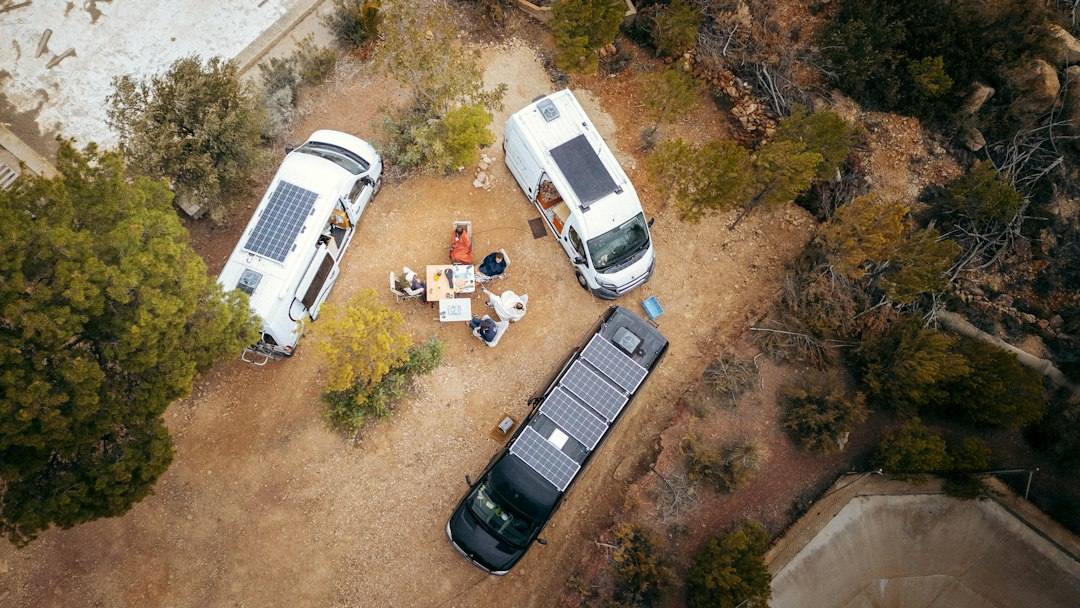
Image note: Editorial use-case photo by Erik Fabian on Unsplash. It illustrates the use context and may not depict the exact product reviewed.